How to Establish an MOT Testing Station in the UK

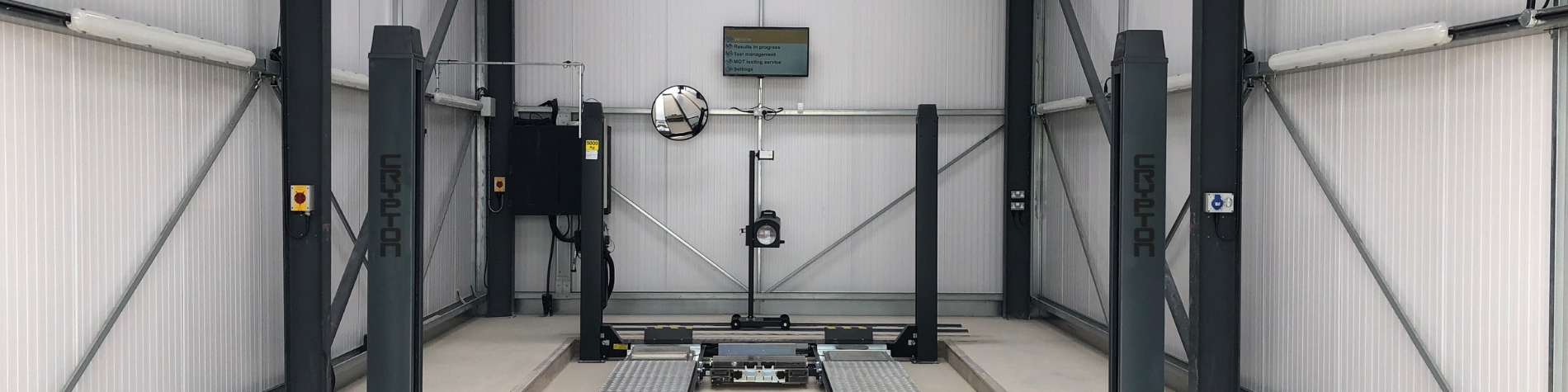
Costs, Requirements & DVSA Approval – Made Simple
Setting up an MOT testing station is a smart move for garages looking to grow their business and create reliable, repeat income. But it does come with rules, approvals and decisions that need to be handled properly from day one.
At Crypton, we help garages set up MOT bays the right way — with clear advice, compliant equipment and full support through DVSA approval.
What’s involved in setting up an MOT testing station?
In simple terms, opening an MOT station means:
Done properly, an MOT bay becomes a long‑term asset for your workshop.
How much does it cost to set up an MOT station?
The cost of an MOT bay depends on a few key things:
There’s no one‑size‑fits‑all price. A proper site review and plan is the best way to understand the real investment.
MOT bay classes explained
Class 4 MOT bays
Suitable for cars and light vans. This is the most common setup for independent garages and service centres.
Class 7 MOT bays
Designed for larger vans up to 3,500kg. These bays need more space, heavier‑duty equipment and stronger infrastructure.
We help you choose the right option based on your site and customer base.
Inspection pit or vehicle lift?
Both are DVSA‑approved. The right choice depends on your building and how you want to work.
Vehicle lifts
Inspection pits
We’ll advise honestly on what suits your workshop best.
DVSA approval – what is VT01?
To operate an MOT station, you must apply to the DVSA using the VT01 application. This confirms:
DVSA will inspect the site before approval is granted. Accuracy matters — mistakes can delay or derail approval.
People & qualifications
Every MOT station needs:
Both roles are mandatory before testing can begin.
MOT equipment requirements
An MOT bay must include approved and calibrated equipment such as:
Incorrect installation or missing certification can result in failed inspections.
Why work with Crypton?
We don’t just sell equipment, we help you get approved.
With Crypton, you get:
Less risk. Fewer delays. More confidence.
Is an MOT station a good investment?
For most garages, yes.
An MOT bay can:
When planned properly, it’s one of the most reliable upgrades a garage can make.
Planning an MOT station? Start with accuracy.
The biggest delays we see come from poor planning and incorrect layouts.
Talk to Crypton first.
We’ll help you plan it properly — and get it approved.
Request a free, no‑pressure consultation today.
📞 Call us today on 0121 725 1400