
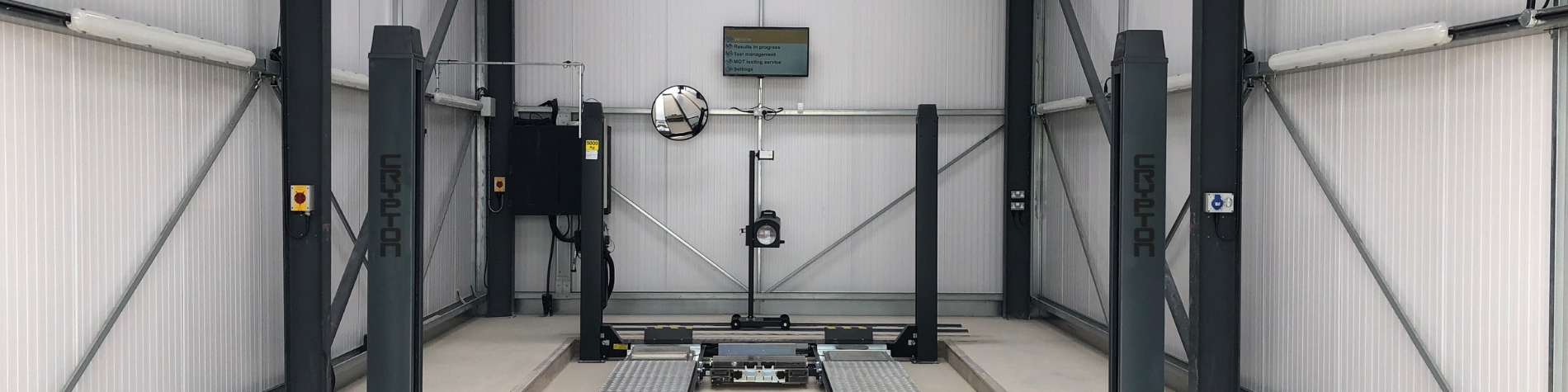
Take Charge of Your Fleet’s Safety and Efficiency
Running a fleet isn’t just about keeping vehicles moving, it’s about keeping them safe, compliant, and cost-effective. If you're still relying on third party services for brake testing, you're likely spending more time and money than you need to. Bringing this essential service in-house might seem like a big leap, but for many businesses, it's a game changer.
Why Outsourced Testing Holds You Back
Handing over your brake testing to an external provider can quickly become a logistical headache. Here’s why:
- Scheduling Friction: Booking appointments and coordinating drop offs disrupt your operations and burn valuable time.
- Cumulative Costs: Testing fees per can seem manageable at first, but they pile up fast.
- Lost Productivity: Every hour a vehicle is off the road for testing is an hour it’s not generating revenue.
The Case for In House Testing
Bringing brake testing under your own roof doesn’t just offer convenience, it opens the door to measurable improvements across the board.
- More Uptime: Test your vehicles when it suits you, not someone else’s schedule.
- Lower Operational Costs: Eliminate transport costs and reduce reliance on third party services.
- Enhanced Safety: Spot issues sooner with more frequent and consistent testing.
- Detailed Records: Maintain a reliable performance log for every vehicle in your fleet.
Timing Your Investment Wisely
For small operators or new businesses, outsourcing is often the practical choice early on. Investing in a brake tester involves more than just the upfront purchase, there’s calibration, maintenance, and training to consider. But as your fleet grows, there’s a tipping point where owning the equipment starts to make clear financial sense.
What determines when you hit that point? Several factors come into play:
- Fleet Size: The more vehicles you operate, the faster the return on investment.
- Testing Frequency: Frequent testing requirements push costs up, making in house options more appealing.
- Outsourcing Costs: High per test fees accelerate the break-even point.
- Equipment and Maintenance Costs: You'll need to factor in purchase price, upkeep, and calibration over time.
- Usage Potential: Will the tester serve just your fleet, or can it generate income by servicing others as well?
- Financing: Interest payments can extend your payback period if you’re not buying outright.
Making the Numbers Work
A well-informed decision begins with a proper cost benefit analysis. Project your testing needs over the next 3–10 years. Compare the total costs of outsourcing versus investing in equipment, and account for the time value of money.
It’s not all about dollars and cents either. Owning a brake tester gives you more control over your operations — and that flexibility can be just as valuable as the financial return.
Ready to Crunch the Numbers?
Start by collecting these key data points:
- How often you test your fleet
- Total number of vehicles
- Average round trip distance to your testing station
- Fuel cost per mile
- Cost per axle test
- Total number of axles
- Driver’s hourly rate
- Time spent per trip
- Expected Tests Subcontracted to 3rd Parties
Your Action Plan
Get the Numbers Together: Start by pulling together the real costs, what you're currently spending on outsourcing and what it might cost to bring things in-house.
Do the Math: Work out the full picture. How much would it cost over time? When would you break even? Need help? Reach out to your Crypton Sales Manager, they can walk you through the numbers.
Pressure Test Your Thinking: What if fuel prices spike? Or testing frequency changes? Explore a few "what if" scenarios. Your Crypton Sales Manager can help you make sense of the variables and how they might impact the outcome.
Make the Call: Look at both the numbers and the bigger picture, operations, efficiency, control. If it all adds up, it might be the right moment to take the next step.